Alto Tâmega & Barroso — Discover Northern Portugal's Living Heritage
Alto Tâmega & Barroso
Beyond the familiar routes of Northern Portugal lies a region of ancient mountain landscapes, Roman heritage, thermal waters and deeply rooted rural traditions.
Discover historic towns, traditional villages, remarkable natural scenery and the distinctive culture of Alto Tâmega & Barroso.
A territory shaped by history, nature and a different rhythm of life.
Discover Alto Tâmega & Barroso — Beyond the Familiar Routes
Alto Tâmega & Barroso reveals a different side of Northern Portugal.
A territory of mountain landscapes, historic towns, rural villages and traditions shaped by generations of people living close to the land.
Here, Roman heritage meets thermal waters, ancient agricultural practices coexist with remarkable natural environments, and the relationship between communities and their surroundings remains an essential part of regional identity.
The region brings together six municipalities — Chaves, Boticas, Montalegre, Ribeira de Pena, Valpaços and Vila Pouca de Aguiar — each contributing a distinctive chapter to the story of Northern Portugal.
From the Roman legacy of Chaves to the highlands of Barroso, from traditional farming villages to rivers, forests and mountain valleys, this is a territory that rewards curiosity and unhurried exploration.
For travellers interested in authenticity, history, nature and meaningful encounters with local culture, Alto Tâmega & Barroso offers an opportunity to discover Northern Portugal beyond its better-known destinations.
A Territory Shaped by Mountains, Water and Human History
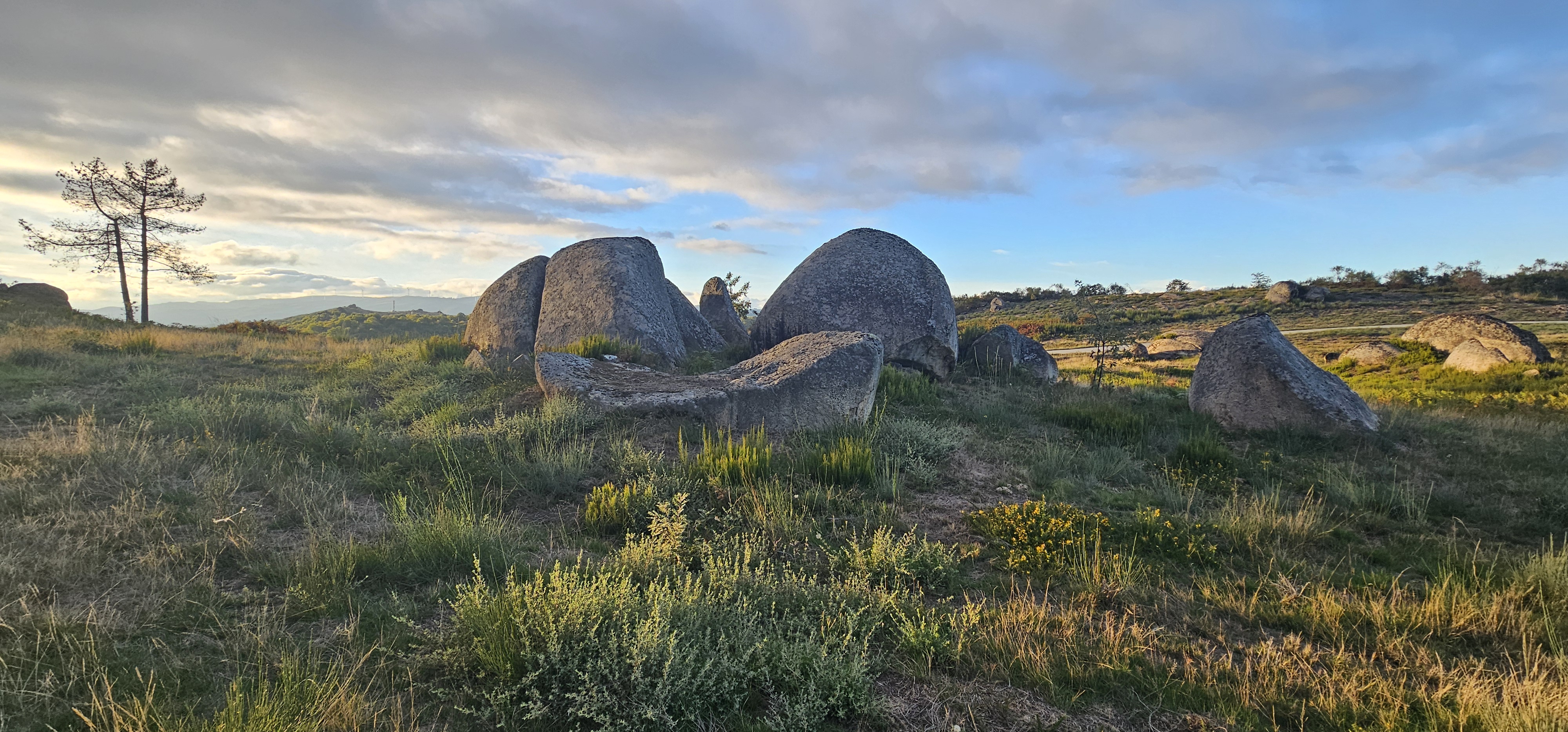
The landscapes of Alto Tâmega & Barroso reflect centuries of interaction between geography, climate and human activity.
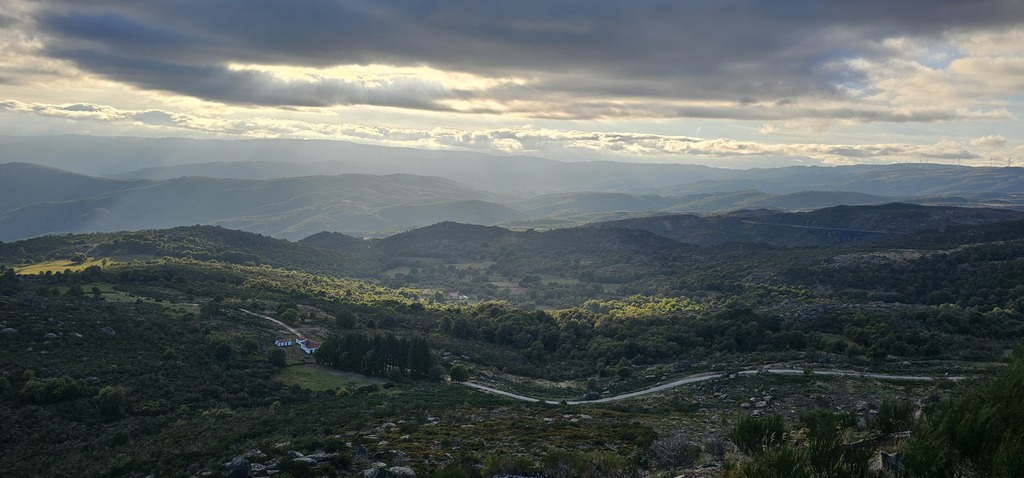
Mountains and plateaus rise above river valleys, while villages, cultivated fields, pastures and forests create a varied rural landscape.
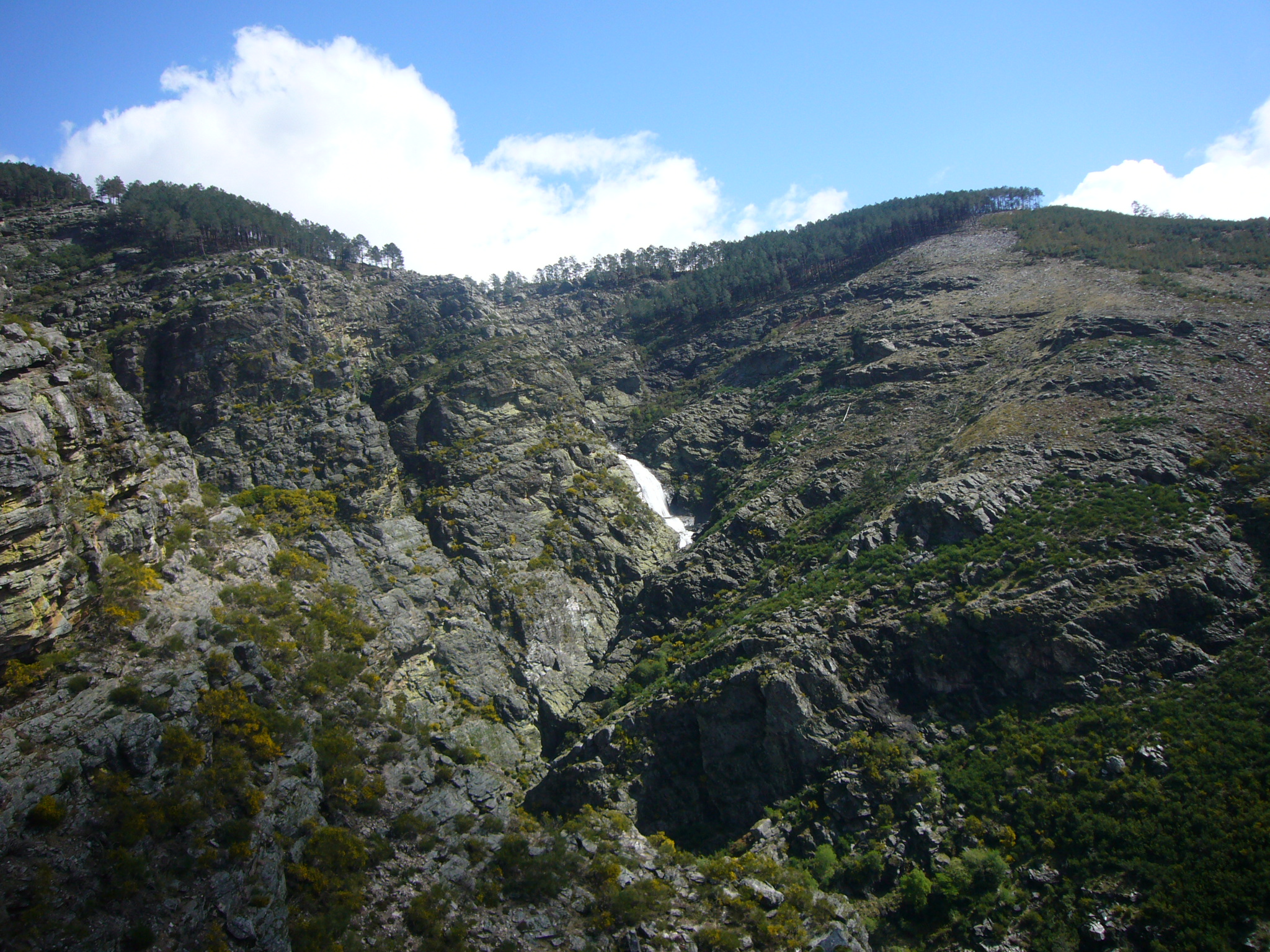
Water is one of the region's defining elements.
The Tâmega River, thermal springs, mountain streams and reservoirs have influenced settlement, agriculture, communication routes and the development of local communities.
History is equally visible across the territory.
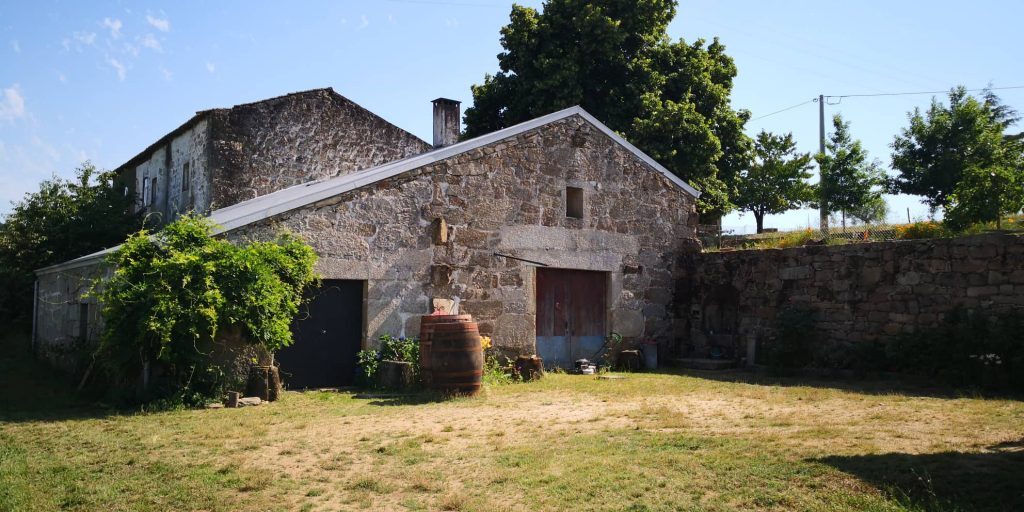
Roman remains, medieval castles, traditional stone architecture and longstanding agricultural practices reveal different periods of occupation and adaptation.
Yet the region's identity is not defined by monuments alone.
It also lives in local food, seasonal agricultural activities, traditional knowledge and the everyday relationship between people and place.
Understanding Alto Tâmega & Barroso means recognising this diversity rather than treating the region as a single, uniform destination.
What to Discover in Alto Tâmega & Barroso?
Chaves — Roman Heritage and Thermal Traditions
Chaves is one of the region's most significant historic towns.
Known as Aquae Flaviae during the Roman period, the town developed around an important crossing of the Tâmega River and became closely associated with its thermal waters.
The Roman bridge, archaeological heritage and remains of ancient thermal infrastructure reveal the importance of the town throughout history.
Today, Chaves combines this legacy with an attractive historic centre, riverside surroundings and a strong local identity.
Its thermal traditions also offer an important connection between natural resources, history and wellbeing.
Exploring Chaves with context reveals far more than an attractive historic town: it tells the story of a place where water, geography and human settlement have been connected for centuries.
Barroso — A Living Agricultural Heritage
Barroso — A Living Agricultural Heritage
The Barroso highlands are among the most distinctive rural landscapes of Northern Portugal.
Across parts of Montalegre and Boticas, traditional villages, grazing lands, agricultural fields and mountain environments reveal a longstanding relationship between communities and nature.
The Barroso Agro-Sylvo-Pastoral System was recognised by the United Nations Food and Agriculture Organization (FAO) as a Globally Important Agricultural Heritage System in 2018.
This recognition highlights the importance of traditional agricultural practices, local biodiversity and the knowledge maintained by rural communities.
Barroso is therefore not simply a scenic mountain destination.
It is a living cultural landscape, where agricultural traditions, community organisation and local identity remain essential to understanding the territory.
Montalegre — Mountain Landscapes and Rural Culture
Montalegre offers a distinctive combination of mountain scenery, historic heritage and deeply rooted rural traditions.
Its medieval castle overlooks a landscape shaped by highland agriculture, traditional settlements and the changing seasons.
Beyond the town, the wider territory includes mountain villages, open horizons and rural environments that reflect the character of Barroso.
The region's identity can be explored through its architecture, food traditions, landscape and cultural heritage.
For travellers interested in quieter destinations and the relationship between people and nature, Montalegre provides a compelling introduction to the Barroso highlands.
Boticas — Villages, Traditions and the Barroso Landscape
Boticas represents another important dimension of the Barroso region.
Traditional villages, agricultural landscapes and local cultural heritage reflect generations of adaptation to the mountain environment.
The landscape is closely connected to livestock farming, local food production and the preservation of rural traditions.
Boticas also offers opportunities to understand how everyday activities, settlement patterns and agricultural practices have contributed to the identity of the region.
Rather than rushing between attractions, exploring this territory rewards observation and an interest in the stories behind its landscapes.
Ribeira de Pena — Rivers, Valleys and Mountain Connections
Ribeira de Pena occupies a landscape of rivers, valleys and mountains that connects different parts of Northern Portugal.
Its territory offers a contrast between agricultural settlements, wooded hillsides, waterways and areas of more rugged natural scenery.
The relationship between the surrounding mountains and river valleys has shaped local settlement and rural life.
Ribeira de Pena also provides a natural connection with the wider Basto and Alvão landscapes, opening possibilities for journeys combining heritage, nature and outdoor exploration.
For Northern Pathways, this is an especially meaningful part of the region's geography, offering opportunities to connect neighbouring landscapes without reducing them to isolated attractions.
Valpaços and Vila Pouca de Aguiar — Rural Heritage and Hidden Histories
Valpaços and Vila Pouca de Aguiar reveal further dimensions of Alto Tâmega & Barroso.
Valpaços is closely associated with agricultural traditions, regional gastronomy and a landscape of cultivated valleys and rural settlements.
Vila Pouca de Aguiar offers a different relationship with the mountains, shaped by historic routes, archaeological heritage and the natural resources of the territory.
The Roman mining heritage of Tresminas provides a remarkable example of how the region's geology influenced human activity in antiquity.
Together, these municipalities help illustrate the diversity of Alto Tâmega & Barroso and the value of exploring beyond its best-known destinations.
Local Gastronomy and the Identity of the Land
Food is an essential part of understanding Alto Tâmega & Barroso.
Regional gastronomy reflects agricultural traditions, mountain environments, local production and the changing seasons.
Among the distinctive products and traditions associated with the territory are Barrosã beef, smoked meats, regional bread, chestnuts, olive oil, honey and traditional specialities such as Pastéis de Chaves and Folar de Valpaços.
These foods are more than regional products.
They express the relationship between local communities, climate, agriculture and cultural identity.
For travellers interested in meaningful cultural experiences, gastronomy offers another way to understand the territory.
Planning a Visit to Alto Tâmega & Barroso?
Location
Alto Tâmega & Barroso lies in the interior of Northern Portugal, bordering Spain to the north.
The region includes the municipalities of Chaves, Boticas, Montalegre, Ribeira de Pena, Valpaços and Vila Pouca de Aguiar.
Its geographical diversity means that different areas can offer very different landscapes and visiting experiences.
Getting there
The region can be reached by road from Porto, other parts of Northern Portugal and neighbouring Galicia.
Road connections such as the A7 and A24 provide access to important regional centres, while smaller roads connect villages, mountain landscapes and more remote areas.
A private road journey provides flexibility when exploring different parts of the territory.
Travel times depend on the selected destinations, local roads, weather conditions and planned stops.
Best time to visit
Spring brings renewed vegetation, flowing waterways and changing rural landscapes.
Summer offers longer days for outdoor exploration, although temperatures and conditions vary considerably between valleys and mountain areas.
Autumn reveals seasonal colours, agricultural activity and a different atmosphere in traditional villages.
Winter can be especially atmospheric, with quiet historic towns and striking mountain scenery, although cold weather, rain, ice or snow may affect access to higher areas.
Walking and accessibility
The region includes historic town centres, riverside areas, mountain paths and rural villages.
Walking conditions vary considerably.
Some visits can involve gentle exploration of urban heritage, while mountain routes and traditional villages may require greater physical effort or involve uneven surfaces.
Private itineraries should be designed according to walking comfort, mobility, seasonal conditions and preferred pace.
Recommended approach
Alto Tâmega & Barroso is geographically extensive and should not be treated as a destination where everything can be visited in a single day.
A private day experience can provide a meaningful introduction to one selected area, such as Chaves or part of Barroso.
Longer journeys offer greater opportunities to connect different landscapes, communities and cultural traditions.
A slower itinerary, with carefully chosen stops, is often more rewarding than attempting to cover the entire region in a short period.
Visiting Alto Tâmega & Barroso in Winter
Winter brings a distinctive character to Alto Tâmega & Barroso.
The highlands of Barroso can experience cold temperatures, frost and occasional snow, while historic towns and lower valleys offer different possibilities for cultural exploration.
Traditional food, Roman heritage, rural architecture and the region's thermal history can provide meaningful themes for winter journeys.
In Chaves and other locations with thermal traditions, visits to thermal facilities or wellbeing experiences depend on seasonal opening arrangements and confirmed access.
Mountain itineraries require particular attention to weather, road conditions and daylight hours.
Rather than promising the same activities throughout the year, a private journey should respond to the season.
Winter can therefore become an opportunity to explore the region through culture, landscape, gastronomy and a gentler rhythm, with appropriate alternatives when outdoor conditions are unsuitable.
Explore Alto Tâmega & Barroso with Northern Pathways
Alto Tâmega & Barroso can be explored in different ways, depending on your interests, the season and your preferred pace.
Northern Pathways approaches the region through experiences that connect cultural heritage, rural landscapes, nature and local identity.
From interpreting the Roman legacy of Chaves to discovering the traditions and mountain environments of Barroso, our experiences offer different perspectives on this remarkable part of Northern Portugal.
Whether you are interested in history, gentle exploration, rural culture or a deeper connection with nature, the territory provides opportunities to shape a journey around what matters most to you.
The following experiences offer starting points for discovering the region.
Culture & Heritage
Chaves: Roman Legacy
& Thermal Heritage
Discover the Roman origins of Chaves,
its historic streets, thermal traditions
and the cultural identity of the
Tâmega Valley.
All experiences are private. Itineraries,
seasonal conditions and availability
are confirmed individually.
Why Explore Alto Tâmega & Barroso with Northern Pathways?
Alto Tâmega & Barroso is a region whose character is not always revealed through conventional sightseeing.
Its value lies in the relationship between landscape, heritage, communities and traditions.
Northern Pathways approaches this territory through local knowledge, thoughtful interpretation and private journeys designed around individual interests.
Rather than simply connecting well-known attractions, we help travellers understand the places they visit and the relationships that give them meaning.
The Roman heritage of Chaves, the agricultural landscapes of Barroso and the rural environments of the wider Alto Tâmega region are different expressions of a shared territorial history.
Our approach respects those differences.
We believe that discovering a region should leave room for observation, conversation and a more personal understanding of place.
The goal is not to see everything.
It is to experience the territory in a way that feels meaningful, coherent and unhurried.
Let Alto Tâmega & Barroso Shape Your Journey
Alto Tâmega & Barroso can be explored through a private cultural experience, a nature-focused day or a longer journey connecting different parts of Northern Portugal.
Depending on your interests, the region may combine naturally with Serra do Alvão, Basto, other areas of Trás-os-Montes or a wider journey beginning in Porto.
The right combination depends on your accommodation base, available time, transport, season and preferred rhythm.
Ask Northern to help you explore the possibilities, discover suitable experiences and consider how Alto Tâmega & Barroso could become part of your journey through Northern Portugal.
Alto Tâmega & Barroso is a region in the interior of Northern Portugal, bordering Spain. It includes six municipalities: Chaves, Boticas, Montalegre, Ribeira de Pena, Valpaços and Vila Pouca de Aguiar.
The region is known for its Roman heritage, thermal waters, traditional mountain villages, rural landscapes, gastronomy and distinctive cultural traditions. The agricultural heritage of Barroso has also received international recognition from the FAO.
Barroso is recognised for its mountain landscapes and longstanding agricultural traditions. The Barroso Agro-Sylvo-Pastoral System, covering parts of Montalegre and Boticas, has been designated a Globally Important Agricultural Heritage System by the FAO.
Yes. Chaves offers an important combination of Roman history, thermal heritage, riverside landscapes, historic architecture and local gastronomy. It is a particularly interesting destination for travellers seeking cultural depth.
A private day trip to a selected part of the region is possible. However, Alto Tâmega & Barroso covers a large geographical area, and exploring several municipalities meaningfully usually requires more time.
The region offers different experiences throughout the year. Spring and autumn are often attractive for landscape exploration, summer brings longer days, and winter provides quieter cultural experiences. Mountain weather and seasonal access should always be considered.
Yes. Its varied landscapes, traditional villages, historic towns and rural heritage make Alto Tâmega & Barroso particularly rewarding for travellers who prefer meaningful encounters and an unhurried pace.
Northern Pathways offers private experiences in selected parts of the region, including cultural heritage and nature-based activities. Wider tailor-made journeys can also be explored, subject to itinerary planning and operational confirmation.