Douro Valley — Discover Northern Portugal's Living Wine Landscape
Douro Region
Beyond its world-famous wines, the Douro Valley reveals a remarkable cultural landscape shaped by centuries of human work, the rhythm of the river and the changing seasons.
Discover terraced vineyards, historic wine estates, traditional villages and quieter perspectives of one of Northern Portugal's most distinctive regions.
A landscape to understand. A journey to experience slowly.
Discover the Douro Valley — Beyond the Vineyards
The Douro Valley is one of Northern Portugal's most distinctive cultural landscapes.
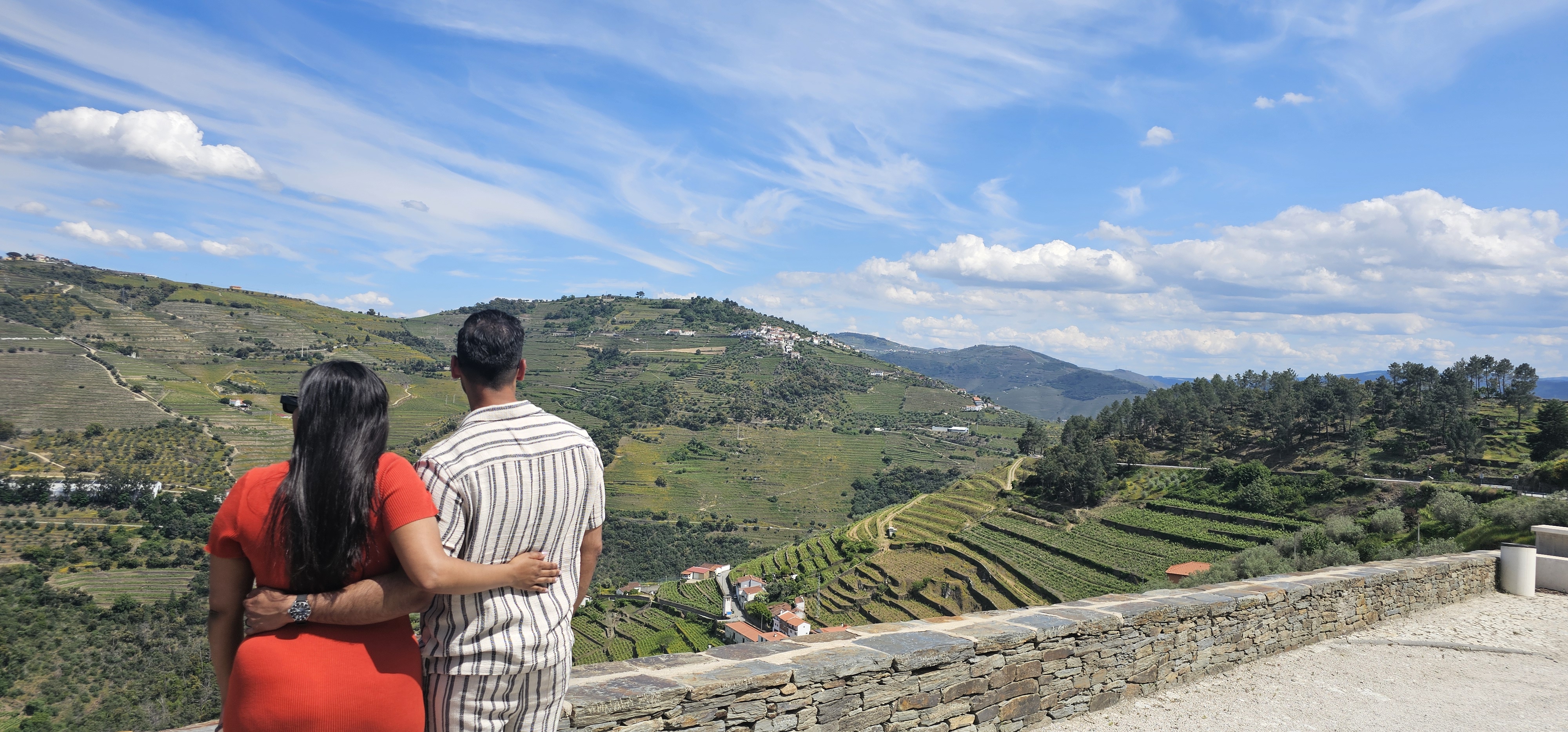
Here, the Douro River winds between steep hillsides shaped by generations of farmers and winegrowers. Terraced vineyards follow the contours of the mountains, while villages, estates and historic routes reveal a close relationship between people and the land.
The Alto Douro Wine Region, recognised as a UNESCO World Heritage Site, reflects centuries of adaptation to challenging terrain and a demanding climate.
But the Douro is more than a celebrated wine destination.
It is a region of remarkable contrasts, where cultivated landscapes meet quieter rural communities, where traditional knowledge continues to shape daily life, and where every season offers a different perspective.
For travellers seeking cultural depth, natural beauty and a more personal connection with Northern Portugal, the Douro invites a slower kind of discovery.
Where the River, Vineyards and Human History Meet
Few landscapes illustrate the relationship between nature and human activity as clearly as the Douro Valley.
The steep slopes overlooking the river have been cultivated for generations, creating the distinctive vineyard terraces that define much of the region's identity.
Stone walls, narrow agricultural paths, traditional quintas and small settlements reveal the work required to transform difficult terrain into a productive cultural landscape.
Wine is central to this story, but it is only one part of it.
The Douro is also a place of traditional agriculture, local gastronomy, architecture and communities whose lives have long been shaped by the river and the surrounding mountains.
Understanding the Douro means looking beyond the postcard views.
It means discovering why the landscape looks the way it does, how it changes throughout the year and what connects its people, wines and heritage.
What to Discover in the Douro Valley
Terraced Vineyards — A Landscape Built Over Generations
The vineyards of the Douro are among the most recognisable landscapes in Portugal.
Their terraces follow steep slopes that would otherwise be difficult to cultivate, creating an extraordinary relationship between geology, agriculture and human ingenuity.
Different methods of vineyard planting, traditional stone walls and the arrangement of the land reveal how winegrowing has evolved over time.
Exploring the vineyards with context transforms an attractive landscape into a deeper understanding of the region.
Historic Wine Estates and Wine Culture
Traditional wine estates, known as quintas, offer a connection to the Douro's agricultural and cultural heritage.
Depending on the estate and the arrangements available, a visit may provide insight into the region's wines, cultivation methods, production traditions and relationship with the surrounding landscape.
For Northern Pathways, wine is best understood as an expression of place rather than simply a tasting experience.
The landscape, the people and the stories behind the wine are part of the journey.
Pinhão, the River and Riverside Heritage
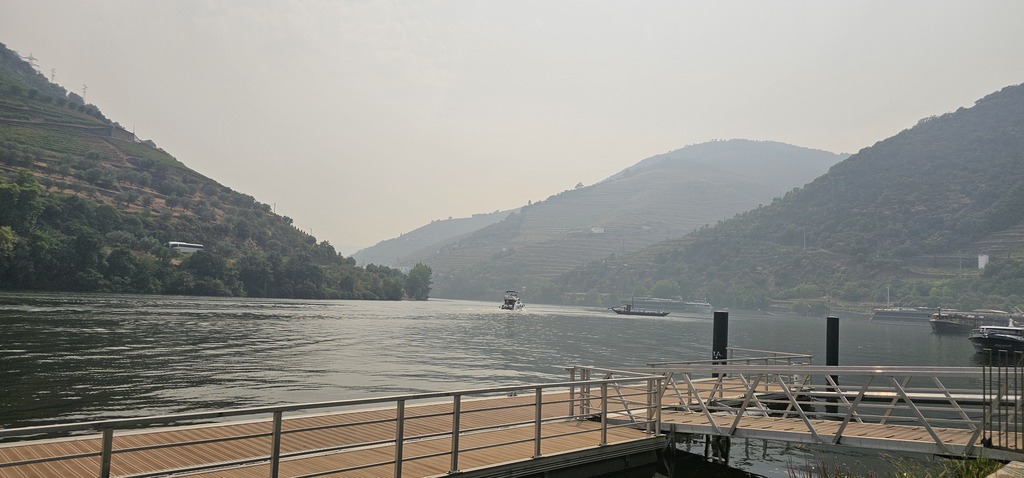
Situated at a memorable bend of the Douro River, Pinhão is an important reference point for exploring the vineyard landscapes of the valley.
Its railway station is especially known for its decorative azulejo panels illustrating regional scenes and aspects of traditional wine production.
The surrounding landscape offers different perspectives of the river, vineyards and historic wine estates.
Pinhão can be part of a wider journey through the Douro rather than the sole focus of a visit.
Villages, Viewpoints and Rural Life
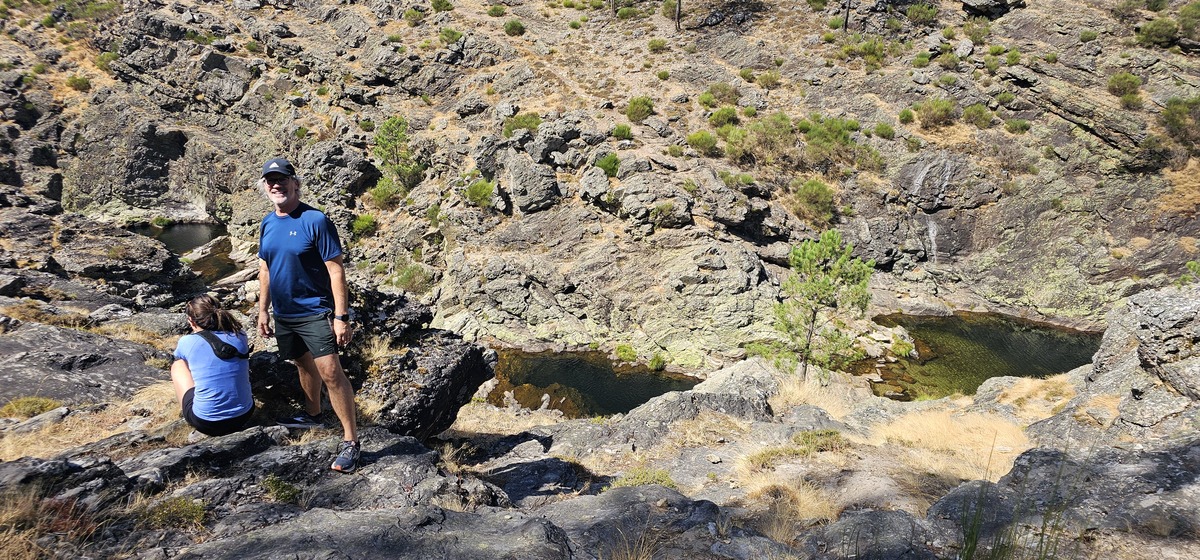
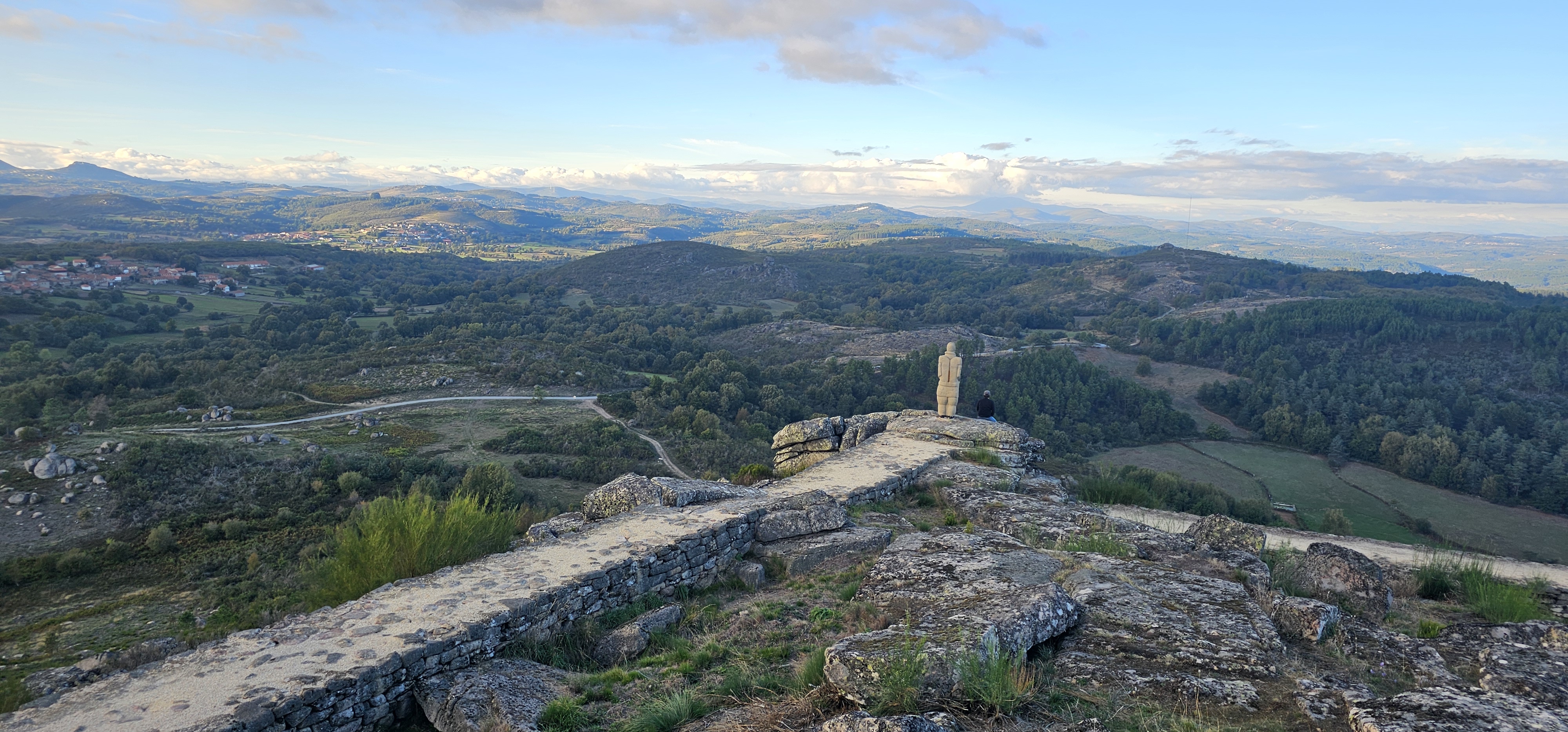
Beyond the better-known riverfront locations, the Douro contains smaller villages, mountain viewpoints and agricultural landscapes that reveal different dimensions of the region.
Some viewpoints offer wide panoramas over the valley, while others provide a closer understanding of how villages and vineyards relate to the terrain.
These places are particularly rewarding when there is time to stop, observe and understand their character rather than moving quickly between attractions.
Local Gastronomy and Seasonal Traditions
The Douro's food traditions reflect its agricultural landscape, climate and rural history.
Regional dishes, olive oil, local produce and wines help tell the story of the territory.
Food can become an important part of a private cultural journey, particularly when combined with landscape interpretation and a thoughtful choice of places to visit.
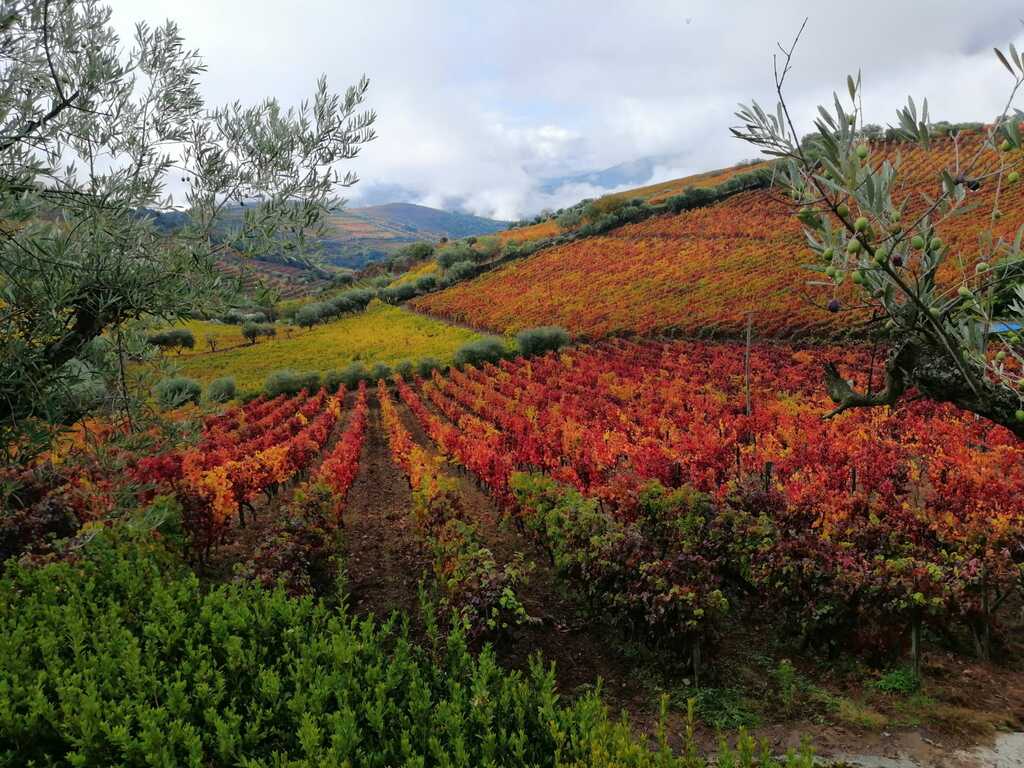
Seasonal changes also influence the experience, from the renewal of the vineyards in spring to the activity and changing colours associated with the autumn harvest.
Planning a Visit to the Douro Valley?
Location
The Douro Valley extends across a large area of Northern Portugal. The UNESCO-listed Alto Douro Wine Region represents its historic winegrowing heartland.
Different parts of the valley offer distinct landscapes and experiences.
Getting there
The Douro can be reached from Porto by road and by rail to several riverside towns.
A private road journey provides flexibility to explore vineyards, viewpoints, rural settlements and historic estates beyond the main transport corridors.
Travel times vary significantly according to the selected area, route and stops.
Best time to visit
Spring brings renewed vegetation and changing vineyard colours.
Summer offers long days and warm landscapes, although temperatures can be high, particularly in the inland valley.
Autumn is strongly associated with the grape harvest and changing vineyard colours.
Winter brings a quieter atmosphere, with bare vines, softer light and a different perspective on the valley.
Walking and accessibility
The Douro's terrain can be steep, and many vineyards, village streets and rural paths involve slopes, steps or uneven surfaces.
The physical demands of a visit vary considerably.
Private itineraries should be planned with the visitor's walking comfort, mobility and preferred pace in mind.
Recommended approach
A full day allows time to explore a selected part of the Douro without turning the experience into a sequence of rushed stops.
Longer stays can reveal more of the region's cultural and geographical diversity, particularly for travellers interested in wine, heritage, walking and rural life.
The most rewarding itinerary is not necessarily the one with the greatest number of visits.
Visiting the Douro Valley in Winter
Winter reveals a quieter and often overlooked side of the Douro Valley.
Without the dense green foliage of summer, the structure of the terraces becomes more visible, revealing the extraordinary geometry of the cultivated hillsides.
The river, historic villages and traditional wine estates remain central to the landscape.
Depending on opening arrangements and availability, private wine visits, local gastronomy and cultural exploration may provide rewarding alternatives to more outdoor-focused itineraries.
Weather conditions, shorter daylight hours and seasonal access should be considered when planning.
Rather than reproducing a summer itinerary in winter, a private journey can focus on what the season genuinely offers: cultural depth, landscape observation and time to appreciate the region at a gentler pace.
Explore the Douro Valley with Northern Pathways
There are different ways to experience the Douro, depending on your interests, available time and preferred rhythm.
Northern Pathways approaches the region through private experiences connecting wine culture, landscape interpretation, heritage and nature-based wellbeing.
From discovering the relationship between vineyards and local identity to exploring the Douro through sensory observation and slower movement, each experience offers a different perspective on the territory.
The following experiences provide starting points for exploring the region.
Wine & Gastronomy
Douro Valley
Discover a UNESCO cultural landscape through
its terraced vineyards, wine heritage and
the enduring relationship between people,
river and place.
Experience the Douro at a gentler pace
through sensory observation, quiet
landscapes and a more mindful connection
with the region's natural and cultural heritage.
A five-day private journey connecting the
Douro with Northern Portugal's diverse
wine landscapes, cultural traditions and
remarkable regional heritage.
All experiences are private. Itineraries,
seasonal conditions and availability are
confirmed individually.
Why Explore the Douro with Northern Pathways?
The Douro is one of Portugal's most recognisable destinations, but its deeper character is not always revealed through conventional sightseeing.
Northern Pathways approaches the region as a living cultural landscape rather than a collection of attractions.
Our private experiences connect wine, heritage, geography and local identity, allowing travellers to understand the relationships that make the Douro distinctive.
We value considered itineraries, meaningful interpretation and enough time to appreciate a place without constantly moving to the next stop.
Whether your interests lie in wine culture, landscape, rural heritage or a quieter journey through Northern Portugal, our approach begins with the territory and the way you want to experience it.
The journey is not defined by how much you see, but by what you discover and understand along the way.
Let the Douro Shape Your Journey
The Douro Valley can be explored as a private day experience or as part of a longer journey through Northern Portugal.
Depending on your interests, it may connect naturally with Porto, other wine regions, historic towns or quieter rural landscapes.
The right combination depends on the season, your accommodation base, available time and preferred pace.
Ask Northern to help you explore your options, compare experiences or consider how the Douro could become part of a wider private journey.
The Douro Valley follows the Douro River across Northern Portugal, extending inland from the Porto region towards the Spanish border. Its historic winegrowing area includes the UNESCO-listed Alto Douro Wine Region.
The region is internationally recognised for its terraced vineyards, Port wine heritage, Douro wines and remarkable river landscapes. It is also known for its rural traditions, historic wine estates and cultural heritage.
Yes. The Douro offers opportunities to explore cultural landscapes, historic villages, viewpoints, rural heritage, gastronomy and nature. Wine is an important part of the region, but not its only attraction.
Spring and autumn are especially attractive for landscape exploration. Summer offers long days but can be very hot. Winter provides a quieter experience, although weather and seasonal opening arrangements should be considered.
Yes. A private day journey from Porto is possible, particularly when focused on a carefully selected part of the valley. The route should be planned according to the desired experiences, available time and travel conditions.
Yes. The Douro rewards travellers who prefer fewer stops, meaningful interpretation and time to appreciate the relationship between landscape, wine culture and rural life.
Northern Pathways offers private experiences focused on the Douro's wine culture, landscapes and heritage, alongside nature-based wellbeing experiences. Specific arrangements and availability are confirmed individually.