Is Northern Portugal Worth Visiting Beyond Porto and the Douro?
The North Is More Than Its Famous Places
When people think about Northern Portugal, two names usually come first: Porto and the Douro Valley.
They are extraordinary places, and for good reason. Porto is one of Europe's most vibrant cities, while the Douro has become synonymous with world-class wine and breathtaking landscapes.
But Northern Portugal is much larger than its most famous destinations.
Beyond the riverside cafés, vineyard terraces and historic streets lies a different North — one of mountain villages, ancient forests, quiet valleys and landscapes where life still follows the rhythm of the seasons.
For travellers seeking authenticity rather than crowds, this is where the journey often begins.
Why More Travellers Are Looking Further Inland
Travel has changed.
More people are moving away from busy itineraries that try to "tick off" as many attractions as possible. Instead, they are looking for places that feel genuine, slower and less predictable. Northern Portugal offers exactly that.
Rather than spending every day in crowded destinations, visitors are discovering regions where they can walk through centuries-old villages, meet local producers, explore natural parks and enjoy landscapes that remain largely untouched by mass tourism.
It is not about seeing more. It is about experiencing more deeply.
Mountains, Rivers and Villages Still Shape Everyday Life
One of the greatest strengths of Northern Portugal is its diversity.
Within a relatively short distance, travellers can experience completely different landscapes and traditions.
- The mountains of Alvão and Barroso
- The thermal heritage of Chaves and Vidago
- The forests and rivers around Ribeira de Pena
- The vineyards of the Douro
- The green landscapes of Minho
Historic villages, Roman heritage, traditional agriculture and local gastronomy remain part of everyday life rather than attractions created solely for visitors.
This creates something increasingly difficult to find in Europe: destinations that still feel authentic because they have not been transformed exclusively for tourism.
Slow Travel Finds a Natural Home Here
Northern Portugal naturally lends itself to slow travel.
Distances are shorter than many people expect, but every road offers reasons to stop. A viewpoint becomes an unexpected picnic. A village café turns into a conversation with locals. A river invites an afternoon rather than a quick photograph.
Travelling slowly here is not about doing less. It is about allowing space for discovery.
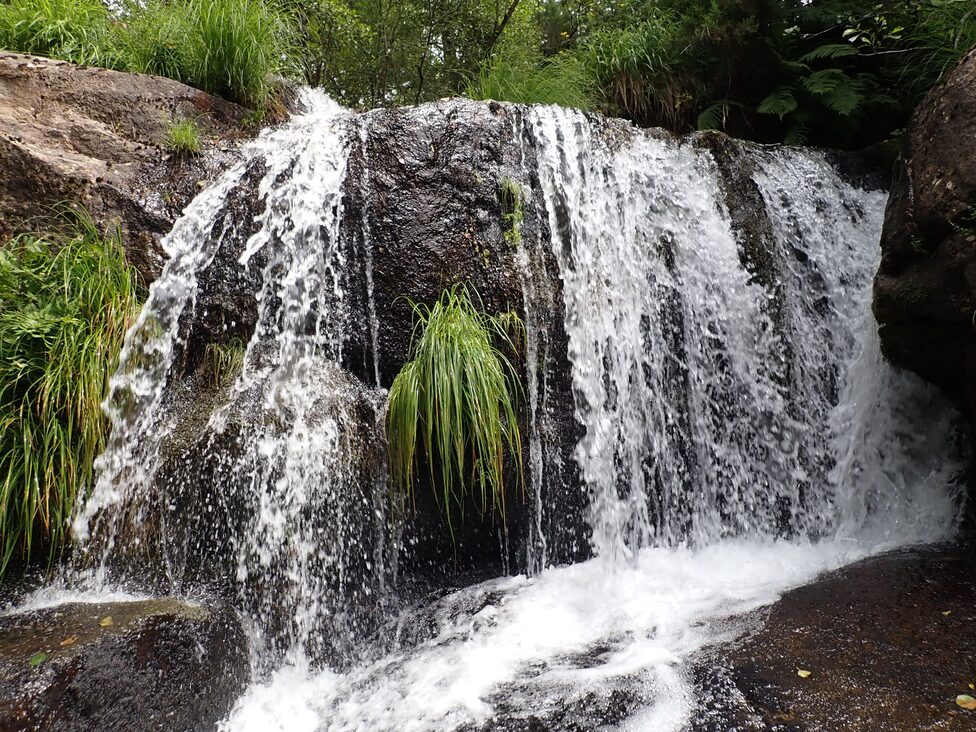
Many visitors arrive with a detailed itinerary but leave remembering the unplanned moments — the shepherd crossing the road, the family-run winery, the hidden waterfall or the meal prepared with recipes passed down through generations.
These are experiences that cannot be scheduled to the minute.
What Can You Experience Beyond the Usual Route?
Moving beyond Porto and the Douro opens the door to a remarkable variety of experiences.
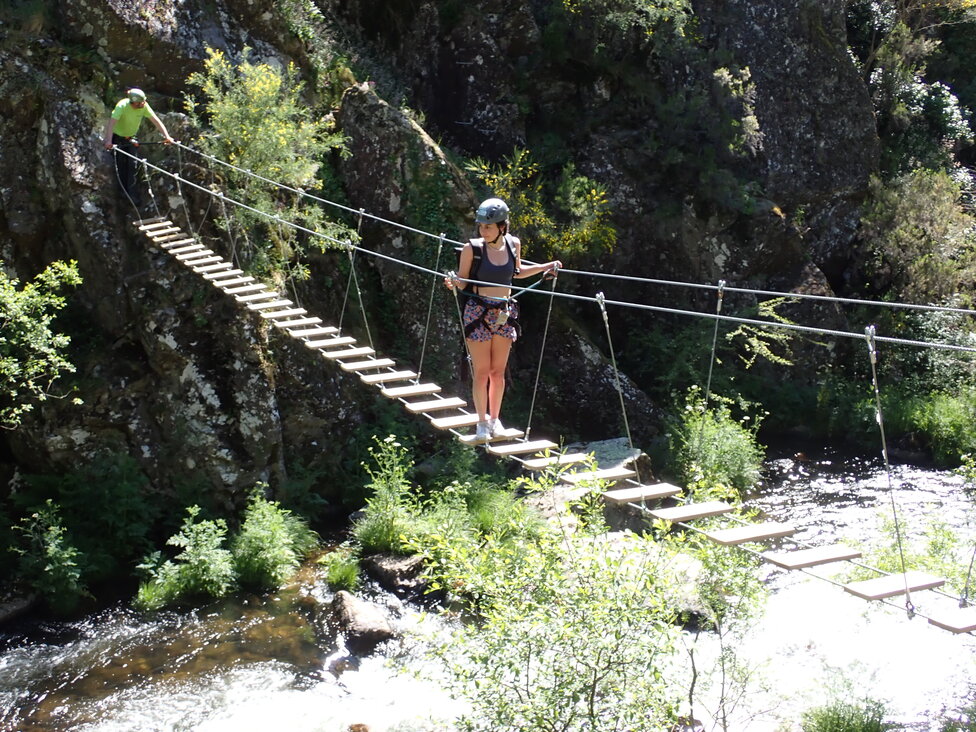
You can hike through the dramatic landscapes of Alvão Natural Park, explore the UNESCO-recognised agricultural heritage of Barroso, discover Roman history in Chaves, relax in historic thermal towns like Vidago, or follow rivers that remain almost unknown outside Portugal.
For food lovers, traditional mountain cuisine offers flavours very different from those found along the coast.
For wine enthusiasts, family-owned producers provide a more personal perspective on Northern Portugal's winemaking traditions.
For nature lovers, the region offers countless opportunities for hiking, wildlife observation, cycling and simply enjoying silence.
No two journeys need to be the same.
Is It Easy to Explore Independently?
Yes — but with some limitations.
Public transport is more limited than in Portugal's major cities. Many of the region's most rewarding places are located away from the main tourist routes, where local knowledge becomes increasingly valuable.
Distances may appear short on a map, but mountain roads, hidden viewpoints and small villages often require careful planning.
This is precisely why many travellers choose private, tailor-made experiences. Rather than rushing between attractions, they gain access to local stories, family businesses, hidden locations and authentic experiences that are difficult to discover without someone who knows the territory well.
The goal is not simply to visit Northern Portugal. It is to understand it.
Who Is Northern Portugal Best For?
Northern Portugal is not the ideal destination for everyone.
Travellers looking for vibrant nightlife, luxury beach resorts or large entertainment complexes may find other parts of Portugal more suitable. But for many others, the region offers something far more valuable.
It is ideal for couples seeking meaningful experiences, families wanting children to reconnect with nature, photographers, hikers, wine lovers, curious travellers and anyone who values authenticity over crowds.
It is also increasingly attractive to remote workers and long-term visitors who wish to experience Portugal beyond the traditional tourist circuit.
A Different Kind of Journey
The greatest luxury Northern Portugal offers is not found in five-star hotels or famous landmarks. It is found in time. Time to slow down. Time to listen. Time to discover places that have not been designed around tourism, but around the people who have lived there for generations.
At Northern Pathways, we believe the most memorable journeys are rarely the busiest ones.
They are the journeys that leave space for curiosity, conversation and genuine connection with the places you visit.
Because sometimes, the most remarkable part of Northern Portugal begins exactly where the guidebooks usually end.
Some travellers discover Northern Portugal first as visitors — and later start imagining what it would mean to stay longer. For that perspective, see our Northern Properties article on temporary living in the region.